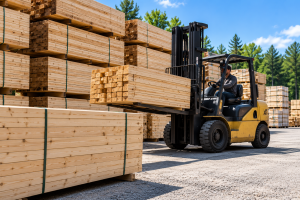
Volatility Tests Relationships
Independent dealers win on relationships, but managing lumber price volatility puts those bonds under pressure. A clear pricing strategy allows us to stay responsive without giving away our margin.
7 Pricing Moves That Hold
- Separate Commodity and Package Pricing: We don’t have to pretend commodities are stable to stabilize a package. Use short validity for commodities and longer windows for trusses or EWP where suppliers allow.
- “Price Hold” Only With Coverage: If we don’t have the inventory on hand or a confirmed inbound PO, we are writing an option contract for free. Only hold when you have the goods.
- The Simple Escalation Clause: Keep it consistent. Define what can change (commodities) and what the trigger is (replacement cost movement). This reduces conflict and speeds up approvals.
- Offer “Good/Better/Best” Alternates: When markets spike, alternates protect our close rates. Suggesting different species or grades helps builders keep projects moving—which is our true value.
- The One-Minute Market Update: Create a script for the team: What moved, why it moved, and what we recommend the builder do next. Consistency builds credibility.
- Track Margin by Job: Volatility can make individual tickets look fine while the overall job loses money. Review package margins at delivery milestones to prevent silent leaks.
- The One-Page Policy Sheet: If every salesperson explains volatility differently, we lose trust. Align the counter and outside sales teams with one set of rules for quote windows and price holds.