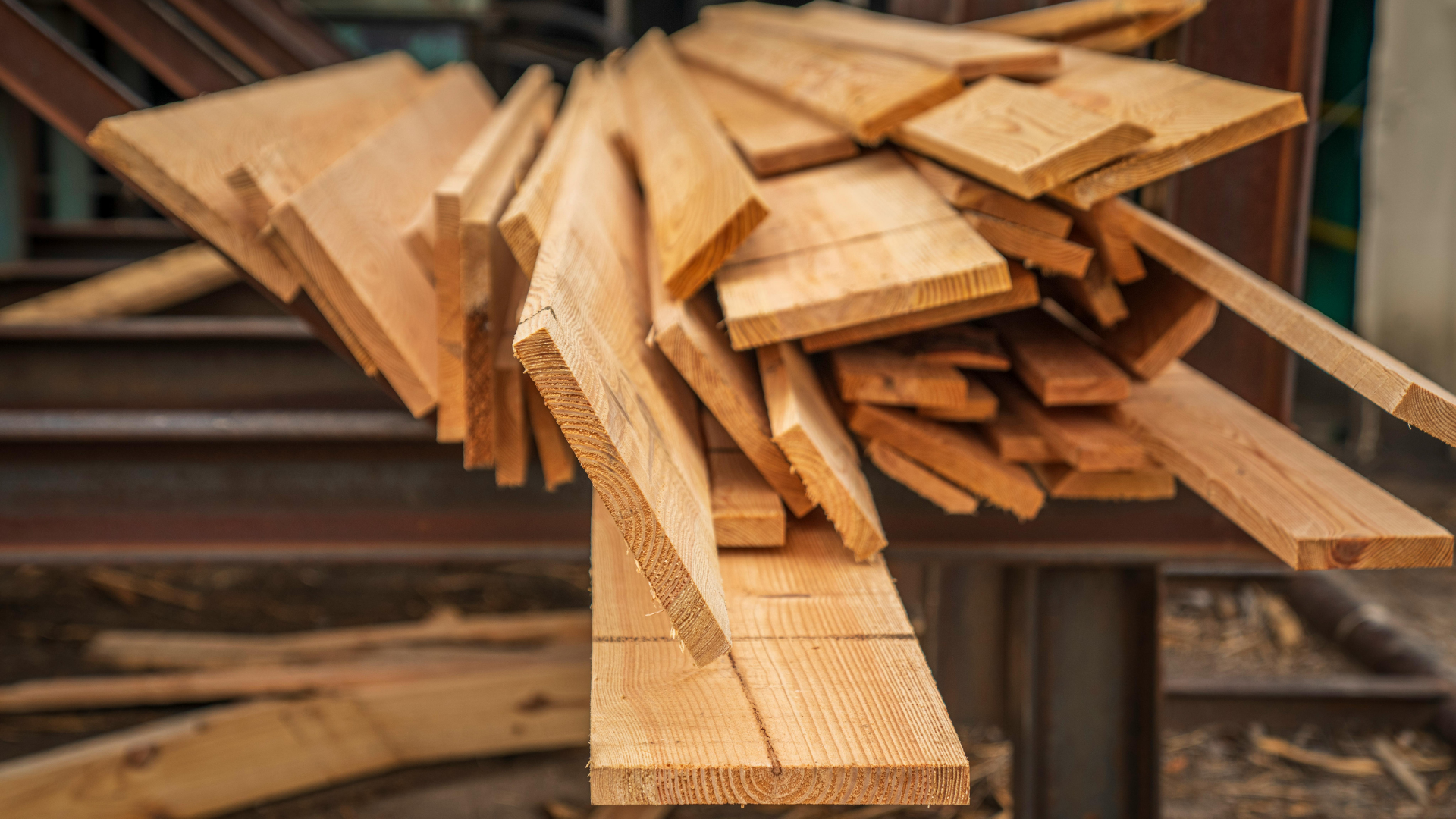
What mill direct lumber purchasing actually means for your operation
Mill direct lumber purchasing is exactly what it sounds like. You buy straight from the producing mill, no distributor in between.
The appeal? Price access, supply commitment, and visibility into what's coming and when.
But here's what trips up a lot of dealers: it isn't automatically cheaper. Freight, minimums, lead times, and market exposure can wipe out that headline savings fast if you're not planning the buy right.
Why dealers are looking at mill-direct again
The market's been volatile. You've seen it.
What's pushing renewed interest:
- Price swings in key species and dimensions make timing matter more than ever
- Freight variability—regional truck availability, fuel costs—changes your landed cost fast
- Project-based demand from multifamily, panelization, and truss shops needs dependable flow
- Inventory risk hits harder when markets turn quickly
Bottom line: Mill-direct can help you compete, but only if you treat it as a procurement strategy, not a one-off deal when the price looks good.
Quick fit test: Is your operation ready for mill-direct buying?
Before you pursue mill direct programs, run through this:
Volume and SKU discipline
Mills want repeatable programs. If you're constantly shifting species, grades, and dimensions, you'll struggle to hold pricing and fill rates.
Receiving and yard capacity
Mill direct usually means full truckload lumber purchasing. If your yard can't flex, your service level suffers.
Forecasting and sales alignment
You need a realistic view of builder commitments, takeoff schedules, seasonal turns, and promotional plans. Not guesses—real numbers.
Risk tolerance
If your market drops after you buy, you own the spread. That's the trade-off. A disciplined buying approach helps you decide what to buy, how much, and when—not just what's cheapest today.
Mill direct vs. distribution: When each makes sense
Go mill direct when:
- You have repeatable demand (core studs, plates, SPF, SYP, panels)
- You can take truckload quantities
- You want program pricing or consistent allocation
- You need better visibility for planning
Stick with distribution (or go hybrid) when:
- You need high mix, low volume replenishment
- Your demand is project-spiky
- You need short lead times and smaller drops
- You can’t absorb inventory swings
What works for a lot of dealers: Run mill direct for your top-volume SKUs. Use distribution or reload options for the long tail. Keeps your turns healthy while you still capture mill-direct value.
Landed cost: The number that actually matters
Mill price means nothing until you know landed cost.
Build a simple discipline that includes:
- Base price (mill)
- Freight (lane-by-lane)
- Unload and handling
- Shrink and damage assumptions
- Carrying cost by days on hand
Do this: Track landed cost weekly for the same SKUs across lanes. When a lane flips, you'll catch it early instead of bleeding margin quietly.
Logistics options that make mill-direct work
Mill price means nothing until you know landed cost.
Risk tolerance
Best cost per unit, but higher inventory exposure. At LBM Advantage, we provide the option to split trucks between members.
Regional reloads
Better flexibility when you need partials or faster replenishment.
Rail + truck transload
Can stabilize supply in certain corridors and reduce your dependence on spot trucks.
Program buying vs. spot buying: Reduce your risk
Spot buys are where big wins and big losses both happen fast.
Program buys help you smooth the volatility.
Practical tactics:
- Split-month coverage: Buy portions for near-term, mid-term, and forward needs
- SKU tiering: Lock programs on your A-movers; keep B/C items flexible
- Project-based commits: Tie forward buys to signed work, not “expected” demand
- Exception reporting: Flag when inventory days exceed your targets
The real advantage: Market timing plus discipline
Buying well isn't just about negotiating harder. It's about building a repeatable system:
- Market insight → better timing
- Scale leverage → better access
- Experienced support → better risk decisions
If you want mill direct lumber purchasing to improve margins consistently, treat it like a managed portfolio—not a single quote you're chasing.
Ready to pressure-test your approach?
If you want a second set of eyes on your mill-direct fit, SKU strategy, or landed-cost model, get in touch today.